TOP NEWS
Yükleniyor


Baroque is a ‘stance’ that is in our lives but we don’t often hear about it. I say ‘stance’ because this word also represents opposition and difference (Renaissance opposition, for example)
This art form, which is touching and creates integrity, has greatly influenced architecture and architectural decorations in terms of expression. Art, which appeals to people’s excitement, eye tastes and feelings, has become the art language of genius creators such as Michelangelo. It became widespread first in Italy and then in many Catholic countries. Its curves and colors kept the mystery and excitement alive. It adapted to the styles of the palace and the European center. Pomp and splendor are its key words.
Like Fairy Tale Land Come True
Many of the ceiling paintings, staircases, statues, sculptures and facades of buildings that we see and are fascinated by while visiting churches, palaces, in short, many parts of the world are baroque. It is like creating a fairy tale world by human hands.
“It made great use of the effects of mass, light and contrast; in architecture, this understanding was characterized by monumental order, curved surfaces and lines, recesses and protrusions, light and shadow distractions; in sculpture, with animated and exuberant figures, undulating and bizarre folds of clothing, excess in gestures and expressions, the combination of incompatible materials and the tendency towards polychromy (colored marble, bronze, gilding, painted pseudo-marble); in painting, with diagonal arrangements, perspective, abbreviation, eye deception effects and the tendency towards exaggeration. ” (Great Larousse Dictionary and Encyclopedia)
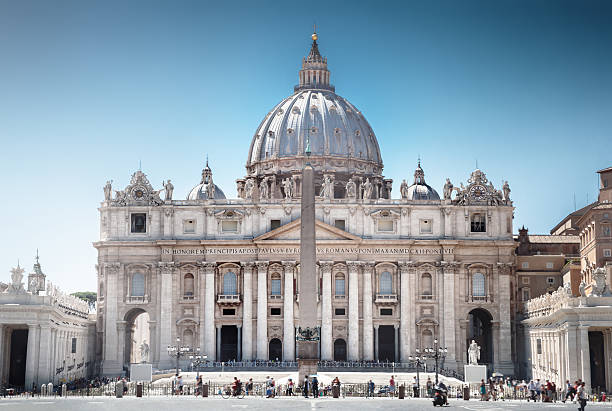
If we give a few examples from the past to the present; the façade of the Basilica of San Pietro and the pulpit inside can be given as an example (1624-1633). Names like Pietro da Cortona, Priest Pozzo and Lanfranco carried the decorations to the ceiling and vaults. Magnificent images emerged.
Turks Also Involved in Art
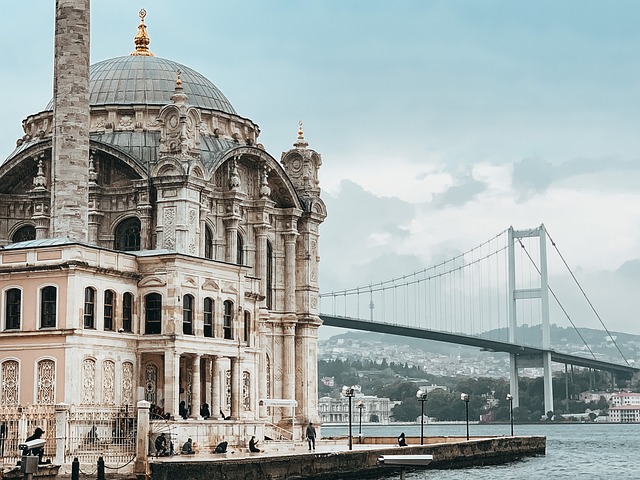
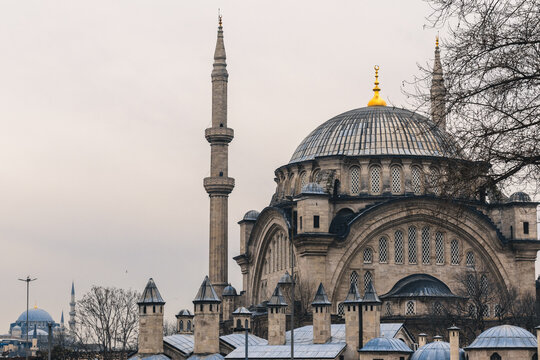
Baroque entered Turkish art in the period between 1720-1830. It manifested itself by undergoing various changes with the influence of the West on Ottoman society and art. For example; Nuruosmaniye Mosque can be considered the first example of baroque art. The curvature in the design of its courtyard is an example of this. Ayazma, Beylerbeyi, Laleli and Üsküdar Selimiye mosques are other examples. Fountains and fountains can also be included among the examples.
We hope to continue to discover the magnificent rhetoric of baroque art, especially in countries such as Italy, France and Spain.